Wool and berber carpet
The two carpets most often damaged by cleaning, and the reason this site identifies fiber before anything is applied. Both failures are permanent.
Calls answered 7am to 8pm · same-day service usually available
Tell us when you ring. It changes the approach and it is worth getting right.
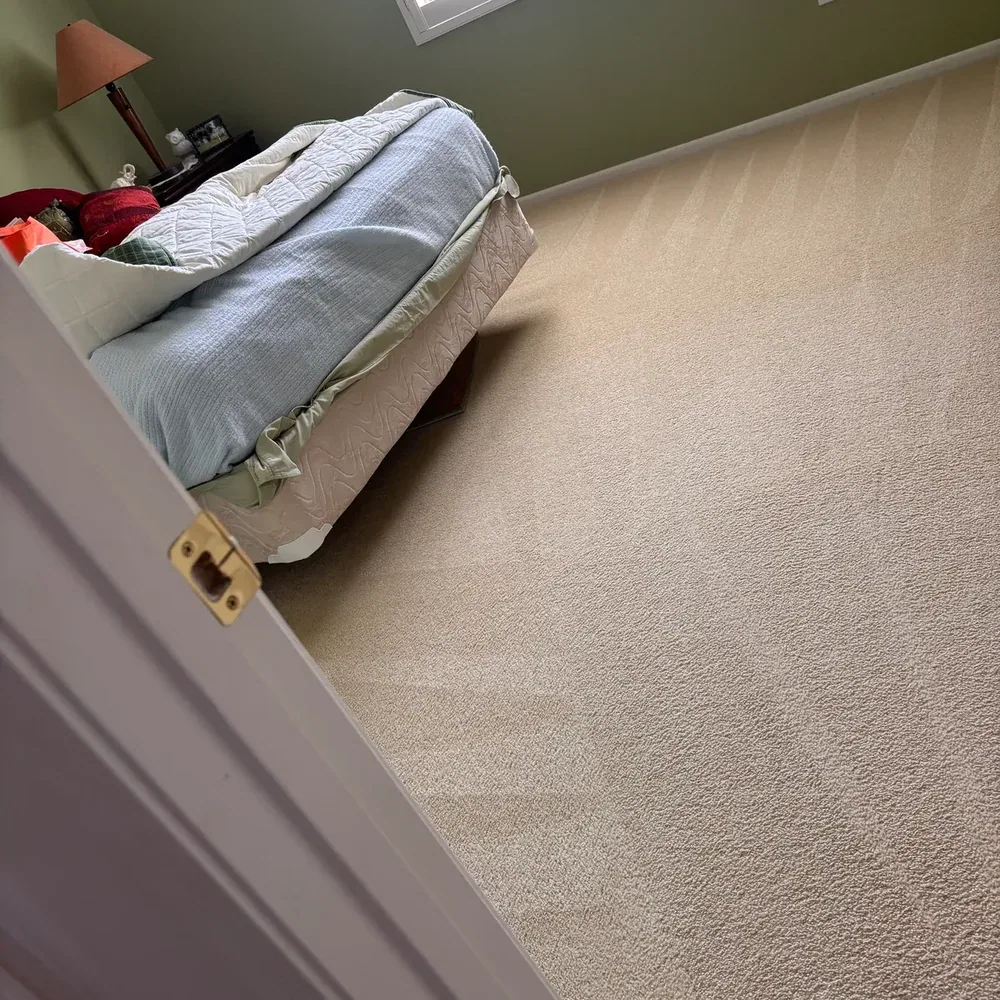
Wool browning, and why it cannot be undone
The single most expensive mistake in carpet cleaning, and it is entirely avoidable.
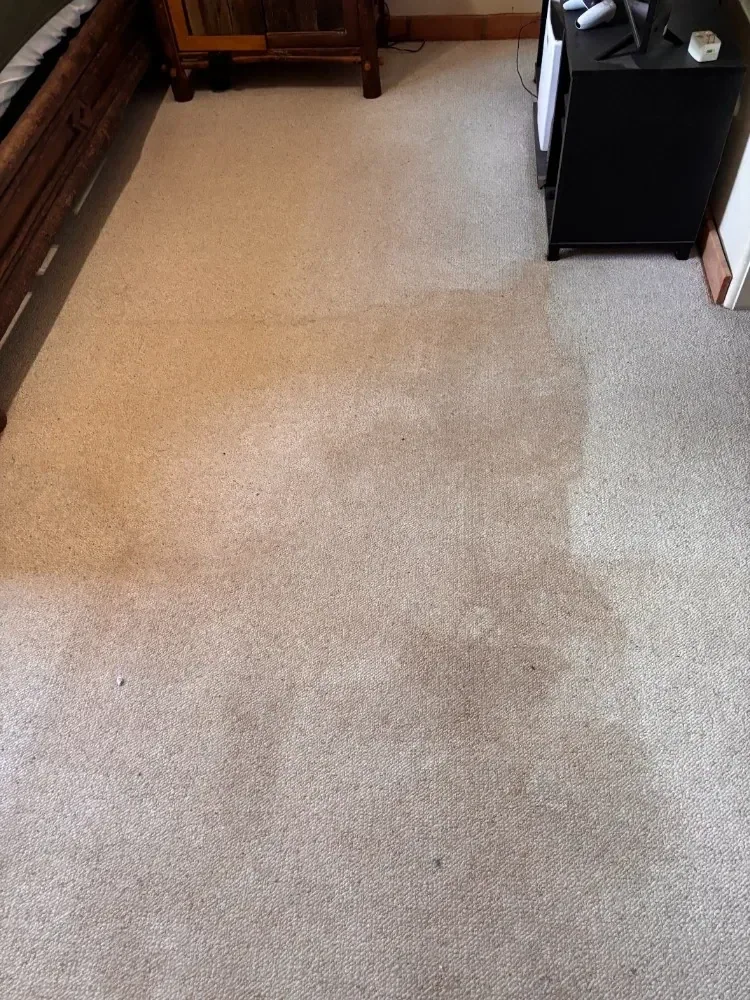
Wool holds natural compounds inside the fiber. When wool gets too wet, those compounds travel to the surface with the moisture as it dries and oxidize when they reach the top. What you see afterward is a yellow-brown discoloration across the affected area.
The critical part: it is a reaction in the fiber rather than something sitting on it. There is nothing to extract. Cleaning it again does not help and frequently makes it worse, because more moisture means more of the same reaction.
A wool carpet that has been browned is browned. That is why moisture control on wool is the whole job rather than a detail.
The pH problem
The other way wool gets damaged, and it is invisible until later.
Wool is a protein fiber, and high-pH alkaline chemistry attacks it. It dulls the fiber, can affect dye, and weakens the wool structurally over time.
The problem is that alkaline products work very well on synthetic carpet and are what a company running one process across every job is likely carrying. So wool gets cleaned with the wrong chemistry not out of malice but out of not checking.
That is the entire argument for identifying fiber first. It takes a minute and it is the difference between a clean carpet and a damaged one.
Berber is a construction, not a fiber
The trap nearly everybody falls into, including some cleaners.
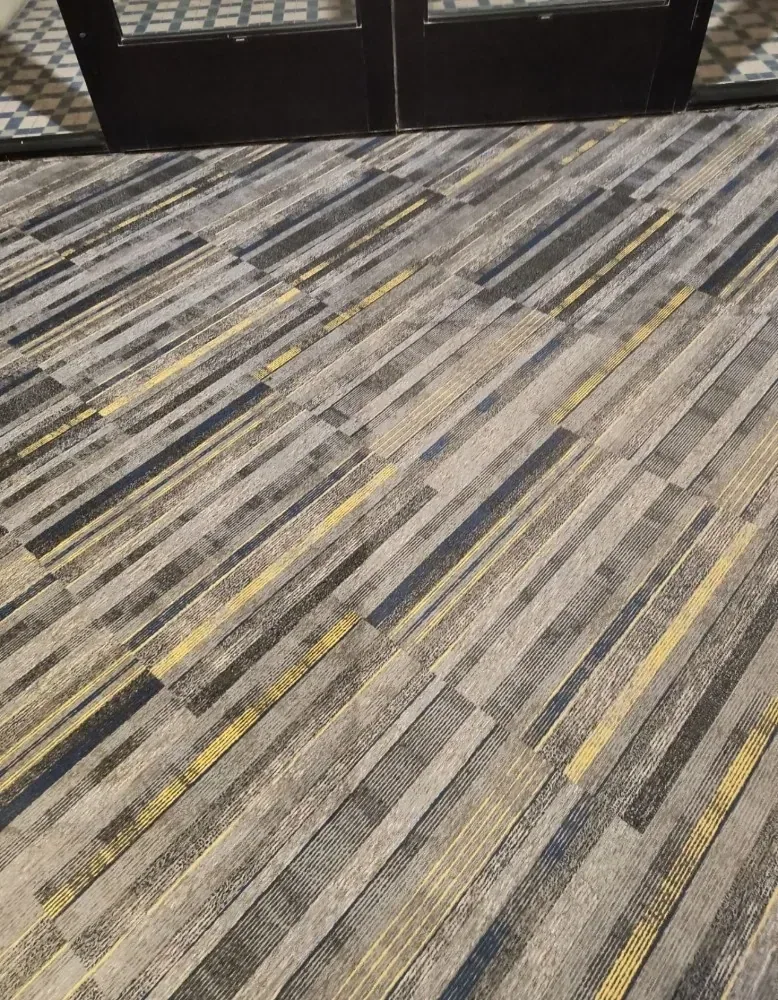
Berber describes a looped pile, not what it is made of. A berber carpet can be wool, a wool blend, nylon or olefin, and those need genuinely different handling.
A wool-blend berber and an olefin berber can look similar from standing height. One browns if over-wet. The other wicks stains back up as it dries. Treating them identically produces a bad outcome on one of them.
Loops have their own issues
They show traffic differently
Looped pile does not crush the way cut pile does, so wear shows up as fuzzing and loss of loop definition rather than matting. It reads as a dull patch instead of a flattened one.
Snags run
A pulled loop on berber runs like a pull in a jumper, and it travels. That is a repair rather than a cleaning matter, and it is worth dealing with before it gets longer.
Soil sits differently
Loops trap grit at the base of the loop rather than between fibers. It requires proper agitation to release, which is one place where a low-moisture surface pass does very little.
How we identify it
- By feel. Wool is warmer and springier than synthetic and recovers its shape when pressed. Olefin feels slicker and more plastic.
- By how it responds to pressure. Wool has natural resilience that synthetics imitate but do not match.
- By construction. Loop, cut, cut-and-loop, and how tightly it is tufted.
- By burn test on a single fiber from a concealed edge where there is genuine doubt. Wool self-extinguishes and smells of hair. Synthetics melt and bead.
- By a moisture test in a hidden area before committing to an approach on anything we believe is wool.
If you have the original invoice or specification, bring it out. It removes the guesswork entirely and it is the most useful thing a homeowner can hand us.
What we will tell you
When a wool carpet is already browned. Cleaning will not remove it and more moisture risks making it worse. That is the conversation before the work, not after.
When a wool rug should not be cleaned as carpet. Area rugs need different handling entirely and we do not do that work rather than doing it badly.
When low moisture is the better call. On some wool and berber, a controlled low-moisture approach is safer than extraction, and we will say so even though it is not the default.
Questions
Do you clean wool carpet?
Yes, with moisture and chemistry controlled for it. Wool browns permanently if over-wet and is damaged by high-pH products.
What is wool browning?
Compounds inside the fiber travel to the surface as it dries and oxidize there, leaving a yellow-brown discoloration. It is a reaction in the fiber rather than a stain on it, so nothing cleans it off afterward.
How do I know if my carpet is wool?
It feels different, warmer and springier than synthetic, and it recovers its shape when you press it. We confirm it properly rather than guessing, including a burn test on a single fiber from a hidden edge where there is doubt.
Is berber always wool?
No, and that is the trap. Berber is a construction, a looped pile, and it can be wool, nylon or olefin. A wool-blend berber and an olefin berber look similar and need opposite handling.
What happens if somebody over-wets wool?
Browning, and frequently shrinkage. Both are permanent and neither is recoverable by further cleaning.
Can loops be repaired if they snag?
A snagged loop on berber runs, like a pull in a jumper. It is a repair rather than a cleaning matter and worth addressing before it travels.
Calls answered 7am to 8pm · same-day service usually available
Free walkthrough, fiber confirmed before anything is applied.