Carpet fibers, and why it changes everything
The same process across every carpet is how carpet gets damaged. Four fibers, four different jobs.
Calls answered 7am to 8pm · same-day service usually available
We identify it on the walkthrough, before anything is applied.
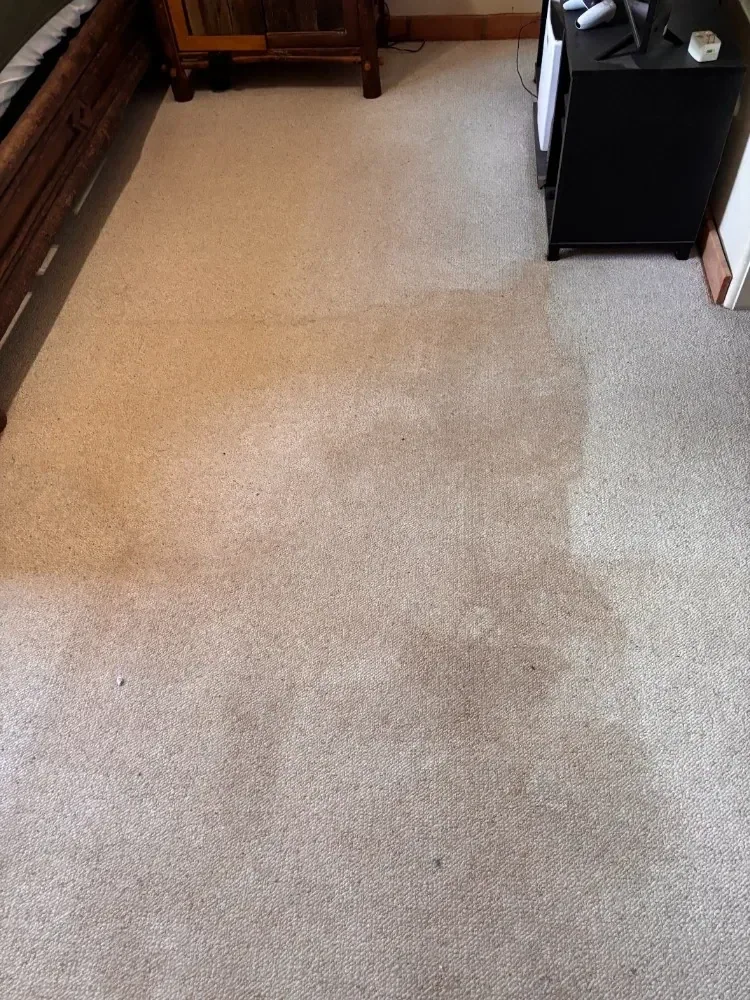
Nylon
The best fiber for cleaning, and the one you want if you are choosing.
Nylon takes heat well, which matters because hot water extraction works better hot. It has genuine resilience, so crushed pile recovers rather than staying flat. And it releases soil more completely than the alternatives.
If you have nylon, expect the best result available. It was the standard in better carpet through the eighties and nineties, which is why some twenty-five-year-old Scottsdale carpet cleans up better than ten-year-old builder carpet.
The one weakness: nylon is vulnerable to acid dyes, meaning red drinks and some foods can permanently stain it. That is a dye reaction rather than soil, and it does not extract.
Polyester and triexta
What most newer carpet is, because it costs less than nylon.
Excellent against water-based staining. Polyester is naturally hydrophobic, so spills sit on it rather than soaking in, and you get more time to blot.
Poor against oil. The same property that repels water attracts oil, so body oil, cooking residue and the grease that comes in on shoes bond to the fiber and hold. That is why polyester traffic lanes go dark and stay dark.
The fix is pre-treatment aimed at oil rather than general soil. It is a different product and a different dwell time, and it is why identifying the fiber matters even on a carpet nobody would call delicate.
The other weakness is resilience. Polyester crushes and does not spring back the way nylon does. What looks like soil in a lane is frequently crushed fiber, and cleaning does not stand it back up.
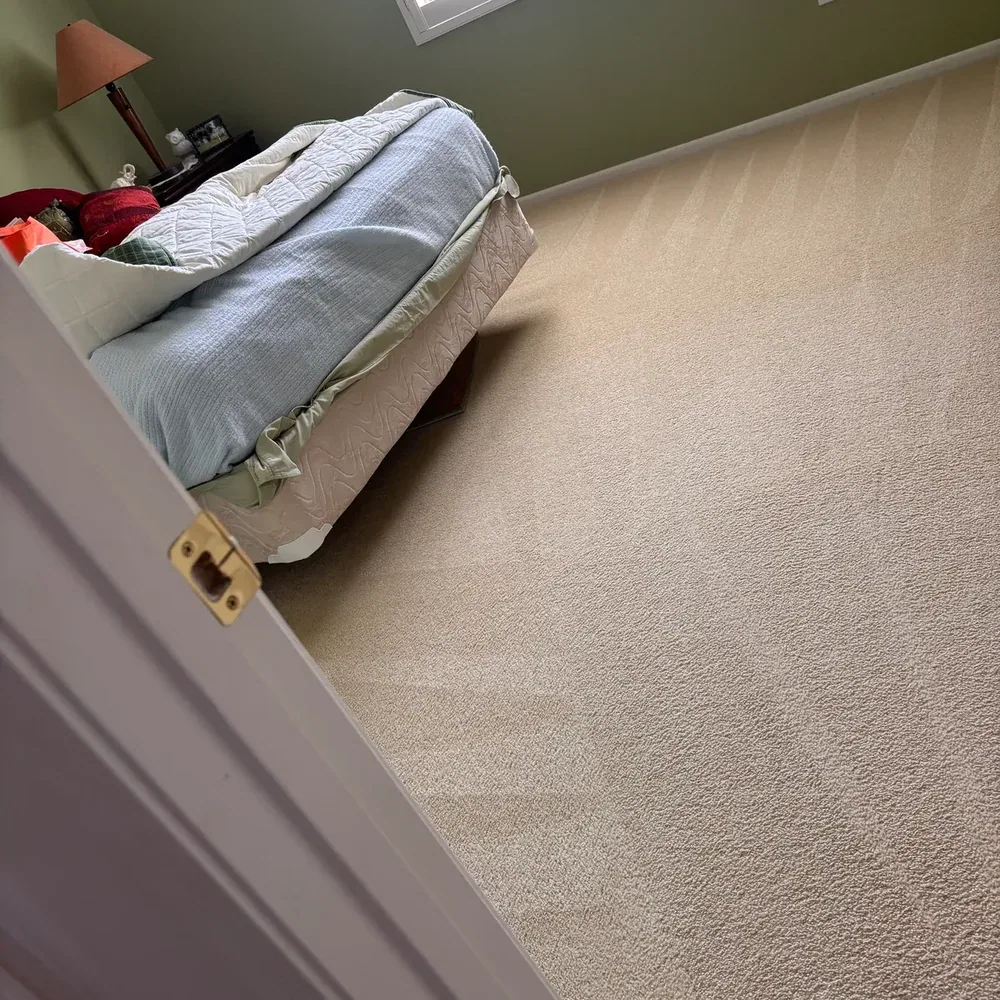
Olefin
The one that produces the most confusion, and the confusion has a cause.
Olefin is solution-dyed, meaning the color runs through the fiber rather than sitting on it, so it is extremely resistant to bleaching and fading. Excellent in a sunny room.
The problem is wicking. Olefin releases soil easily, which sounds good, but it also lets moisture carry material back up from the backing as it dries. So a spot extracts cleanly, looks perfect while damp, and reappears the following morning as the carpet finishes drying.
That is not a failed cleaning. It is olefin doing what olefin does, and it needs a drier extraction approach and sometimes a second pass once dry.
If your carpet has ever done that, it was almost certainly olefin, and a cleaner who did not warn you either did not know or did not say.
Wool and wool blends
The most demanding and the most rewarding when handled right.
Browns permanently if over-wet. Damaged by high-pH chemistry. Both failures are invisible until after they have happened and neither is recoverable.
Handled properly, wool cleans beautifully and lasts longer than any synthetic. Its own page covers this in full.
How to tell what you have
Rough guidance if you want to check before ringing, though we confirm properly on site.
- Press your thumb into the pile and release. Strong spring back suggests nylon or wool. Slow or no recovery suggests polyester
- Feel the surface. Olefin feels slicker and slightly waxy. Wool feels warmer and softer
- Look at a sunny area against a shaded one. Fading suggests nylon or polyester, since olefin barely fades
- Check whether spots have ever reappeared after a previous cleaning. That points strongly at olefin
- Find the original paperwork if you still have it, which settles it immediately
Why this is on the website
Because the single biggest variable in whether you are happy with a carpet cleaning is whether the person doing it knew what your carpet was made of.
It costs a minute to check. Running the same product and the same moisture across every job is faster, and it is how wool gets browned, olefin gets wicking, and polyester lanes stay dark because they were treated for the wrong kind of soil.
Questions
How do I find out what my carpet is?
We identify it on the walkthrough by feel, construction and, where there is doubt, a burn test on a single fiber from a concealed edge. If you have the original invoice, that settles it faster.
Does it really change the outcome?
Yes. Chemistry, moisture level and extraction all differ by fiber. Using an alkaline product on wool damages it. Using standard extraction on olefin gives you wicking.
What is wicking?
A stain that reappears as the carpet dries, because moisture carries it back up from the backing to the surface. Olefin does it most, and it is the fiber behaving normally rather than a failed cleaning.
Which fiber is best?
Nylon, for cleanability and resilience. It costs more and it recovers from traffic better than anything else and cleans up best.
What is in most new builds?
Polyester or olefin, because they cost less than nylon. Both are perfectly serviceable and both behave differently from what people are used to.
Can you tell without testing?
Usually, and we confirm rather than assume on anything that might be wool, because that is where a wrong guess is expensive.
Calls answered 7am to 8pm · same-day service usually available
$55.25 a room, with the fiber identified first.